Liquidity Clocks Out at 4 PM: A Field Guide to the After-Hours Market Nobody Warned You About
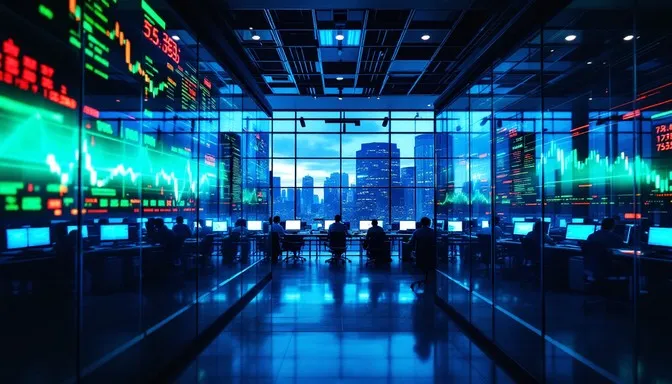
Photo: empty trading floor at night with glowing screens, via images.stockcake.com
"Markets are open 24 hours now" is technically true and practically misleading. It's like saying a highway is open 24/7 — accurate at noon, a very different proposition at 3 AM with no streetlights and one other car on the road.
If you've ever looked at an after-hours quote and wondered why the bid-ask spread looks like a mistake, this is the article for you.
The Market Doesn't Close. The Participants Do.
Regular session volume in a large-cap S&P 500 name might run 30 to 50 million shares. The same stock at 6 PM might trade a few hundred thousand — and a lot of that is one institutional desk winding down. Volume in extended hours can drop 80–95% from the regular session.
Why it matters: liquidity isn't a property of the stock. It's a property of who's showing up. Pension funds, market makers running tight spreads, and the bulk of retail flow all operate on regular-hours schedules. After hours, the crowd is thinner: a handful of market makers with wider quotes, some institutions reacting to news, and retail traders who saw a headline at 7 PM.
What Thin Liquidity Actually Does to You
Spreads blow out. A penny-wide stock can go penny-wide-by-fifty-cents in seconds. If you buy at the ask and the bid is 40 cents lower, you start the trade down 40 cents before anything happens.
Small orders move prices. In the regular session, your 500 shares are a rounding error. At 8 PM, 500 shares can walk through three levels of the book. You become the market impact you were trying to avoid.
Gaps become violent. Earnings drop after the close. A guidance cut at 4:05 PM can take a stock down 20% on a few thousand shares — and the print you see may not represent anything you could actually trade. Then, in the regular session the next morning, the price can partially reverse as real liquidity returns and real price discovery happens. Traders who panic-sold the after-hours print often sell the low of the move.
You can't always get out. Some brokers restrict extended-hours order types. Stop orders frequently don't work or don't behave normally after hours. If the news turns against you at 6 AM in pre-market, your carefully placed stop may be sitting there doing nothing.
A Real Pattern Worth Knowing
Watch how many big movers follow this arc: earnings beat after the close, stock rips up 12% on thin volume in the first hour of extended trading, retail traders pile in chasing the print, then the regular session opens and the stock gives back a third of the move as institutions — who waited for real liquidity — establish their positions. The after-hours move was real information. The after-hours price was not a real market.
The Pre-Flight Checklist
If you're going to trade outside regular hours anyway, at least do it with eyes open:
- Check the spread before anything else. If it's more than a few cents on a liquid name, you're not trading, you're donating.
- Use limit orders. Always. A market order after hours is a request for whatever someone feels like charging you.
- Know your broker's extended-hours rules. Which sessions? Which order types? What happens to your working orders at the session close?
- Ask who's trading. Earnings releases, FDA announcements, Fed surprises — overnight sessions exist for a reason, and that reason is usually news. Trading thin markets without a news catalyst is trading nothing at all.
- Size down. If liquidity is 5% of normal, your position should arguably be too.
- Never assume the after-hours price is the price. It's a rumor with a ticker symbol.
The Bottom Line
24-hour trading is a feature built for specific situations — reacting to real news when the cost of waiting exceeds the cost of the wide spread. For most retail traders, most of the time, it's an expensive way to trade the same information you could trade nine hours later in a real market with real liquidity.
The market being open doesn't mean the market is there. Sometimes the honest trade is the one you don't place until the lights come back on.